In the grand scheme of modern civilization, power plants are the lifeblood that keeps our societies functioning. From nuclear reactors to hydroelectric dams, geothermal facilities, wind turbines, and solar farms, these installations tirelessly generate the electricity that powers our homes, industries, and technologies. But what would happen if humans suddenly vanished from the picture? How long could these intricate systems continue to operate without our intervention?

Showing posts with label Gas. Show all posts
Showing posts with label Gas. Show all posts
The Role of Power Plants Burning Coal, Oil, & Gas in Climate Change
Climate change is a critical global issue, and the burning of fossil fuels by power plants—specifically coal, oil, and gas plants—is a major contributor to this phenomenon. Understanding the impact of power plant emissions on climate change is essential for addressing this pressing environmental challenge. Let's explore how power plants burning coal, oil, and gas contribute to climate change and discuss sustainable alternatives.
How Power Plant Emissions Contribute to Climate Change
Convert a Gas Appliance to Electric, or Vice Versa? How Is Cost?

Converting a gas appliance to an electric, or vice versa, involves several considerations and costs. Here's an overview of the process and potential costs:
Which is More Cost-Effective: Gas or Electric Appliances?

Determining whether gas or electric appliances are more cost-effective depends on several factors, including energy prices, appliance efficiency, usage patterns, and the specific appliances you're comparing. Here are some considerations to help you make an informed decision:
Are There Places Where You Can't Have Gas Appliances?
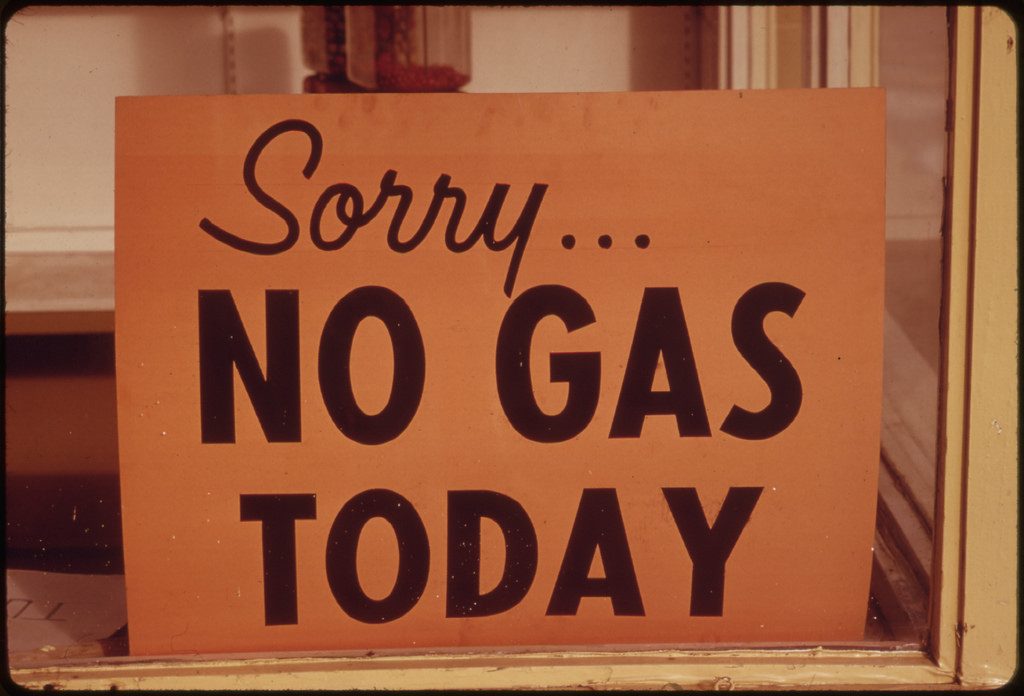
Yes, there are places where you might not be able to have gas appliances due to various reasons. Here are a few situations and locations where gas appliances might be restricted or not feasible:
How Does Gas vs. Electric Work Out On Monthly Bills?

The cost comparison between gas and electricity for your monthly bills depends on several factors, including your location, energy usage patterns, appliance efficiency, and current energy prices. Let's break down how gas and electric systems work and how they might impact your monthly bills:
List of U.S. Gas Power Plant Additions in last 10 years

Natural Gas Power Plants: The construction of natural gas-fired power plants has been prominent in the last decade due to the abundance and lower cost of natural gas. Examples include:
Here is a list of some natural gas power plant additions in the United States over the past 10 years.
LADWP Hid Power Plant Methane Leak For Over A Year

For over a year, activists have been fighting to shut down the Department of Water and Power's Valley Generating Station in Los Angeles. Generating Station of the Valley, where red and white smokestacks tower over the San Fernando Valley's northeast corner.
In late August, DWP employees first told the public and their own board of commissioners about the methane leak. During a Tuesday morning board meeting, Adams, the general manager of the utility, made the abrupt announcement, announcing that staff will present details about "a methane gas problem at Valley, and work that we are doing to regulate methane."
One staffer said the compressor units of the plant had been leaking gas "for the last couple of years." The utility had a plan in place to repair the compressors later in the year, but wanted to go public now because the leak was discovered as part of a drone survey by NASA's Jet Propulsion Laboratory, and "their information is becoming more public," Adams told the board.
There were some board members shocked. So were the elected officials. The concerns arose quickly: When did the workers discover the leak? Why wasn't the public informed earlier? How much of the plant's methane was leaking?
But the graffiti artist could have been almost anyone in a city burdened by hundreds of landfills, recycling centers, junkyards, trucking businesses, and other disruptive and polluting manufacturing facilities, and bisected by three major freeways.
Sun Valley and Pacoima residents are breathing some of the worst air in California and suffering from hospitalizations due to asthma at rates much higher than most of the state. So the civic uproar was loud and fast when the Los Angeles Department of Water and Power announced last month that its power plant had been leaking methane gas for at least three years.
Here is a map of the Los Angeles Department of Water (LADWP) leaking methane. Click on the map to browse other locations.

Pacoima Beautiful an environmental organization that has been working to shut the power plant down for more than a year. Members claim that L.A.'s shift to cleaner sources of energy progresses too slowly and leaves behind their culture.
The Valley Generating Station is seen by city leaders as a vital tool to keep the lights on when the sun is not shining and the wind is not blowing, at least before energy storage systems are cheaper and more flexible.
There were comparisons to the Southern California Gas Co. Aliso Canyon gas spill, which spewed record-setting methane levels into the air around L.A.'s Porter Ranch neighborhood in late 2015 and early 2016.
The Valley leak, in contrast, was tiny compared to Aliso Canyon's. At the next board meeting, staff presented slides showing that the defective compressors were leaking methane, the main natural gas part, at rates ranging from 168 to 367 kilograms per hour, readings from the Jet Propulsion Laboratory showed. At Aliso, the rate sometimes exceeded 50,000 kilograms an hour.
Community activists also do not believe that DWP gives them the complete story, especially because utility employees said they discovered the leak in August 2019, a full year earlier. Staffers said that because they didn't think anyone was at risk, they didn't alert the public.
Except in enclosed spaces, methane itself is not harmful to human health. Yet natural gas also contains small quantities of benzene that causes cancer, and when burned, it releases lung-damaging nitrogen oxides and volatile organic compounds.
Evidence of health threats from living near oil and gas installations is starting to appear. A UC Berkeley-led study in July, for example, found that pregnant women living within six miles of oil and gas wells in rural California are much more likely to give birth to babies with low birth weights. And in Porter Ranch, years after the Aliso Canyon spill, people are still experiencing health concerns.
Last week, a committee of the City Council approved motions calling for DWP to faster repair leaks and install air-quality monitors near Valley Generating Station. A third motion, introduced on Tuesday, calls for the establishment of a trust fund for community services to support individuals living near the facility, with the intention of helping residents and schools purchase indoor air purifiers and air conditioners.
DWP workers state the methane plume has not left the site of the power plant. And recent studies in the local community by the South Coast Air Quality Control District find levels of methane and volatile organic compounds "at normal background levels."
Indiana Power Plants Map

Why does Indiana need another Natural Gas Power Plant? The density is already plenty.

Heat Map of United States Power Plants

Heat Map of United States Power Plants
Gas, Nuclear, Hydro& & Renewable
Search PowerPlantMaps.com For Locations
How Far Can Electricity Be Transported?
